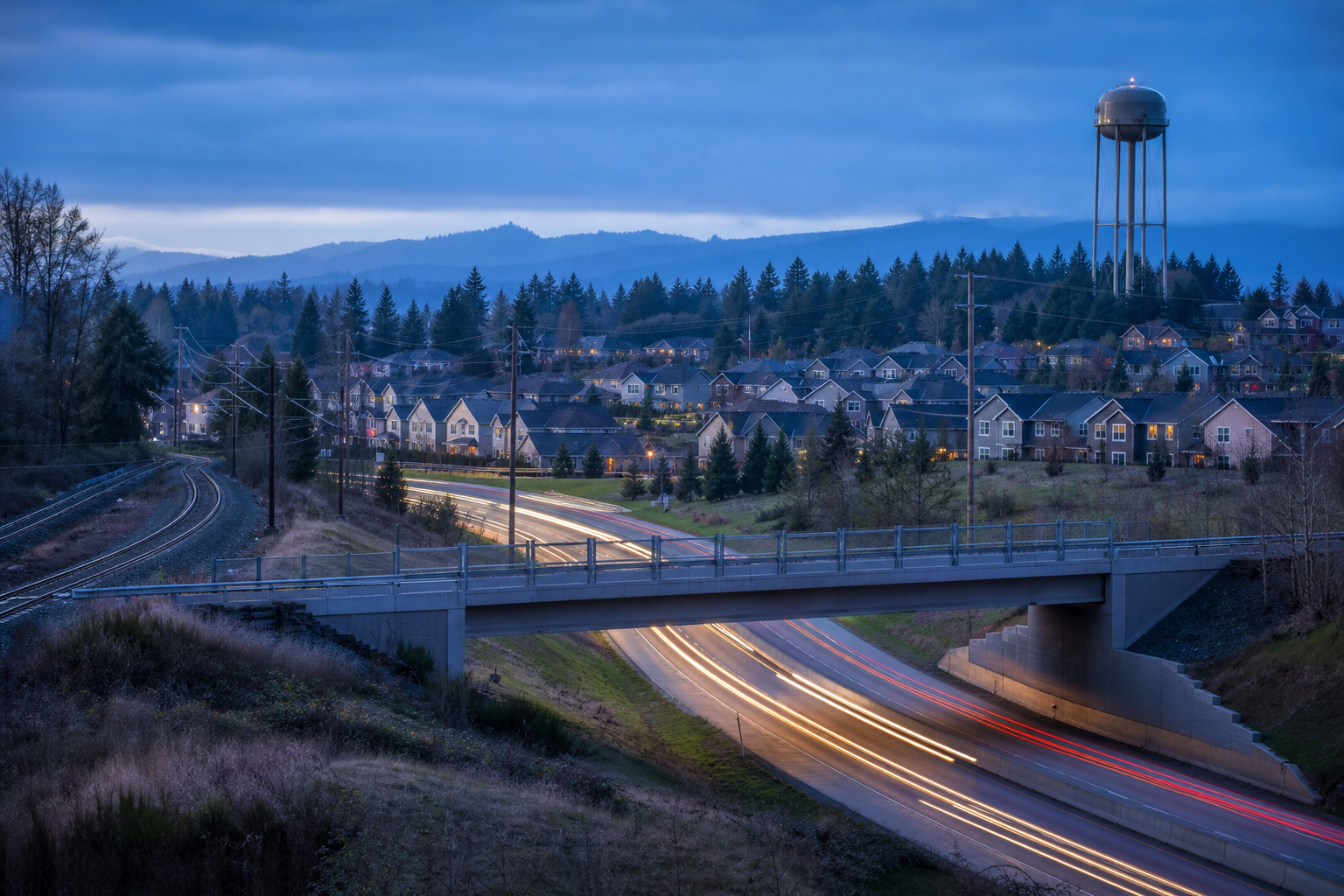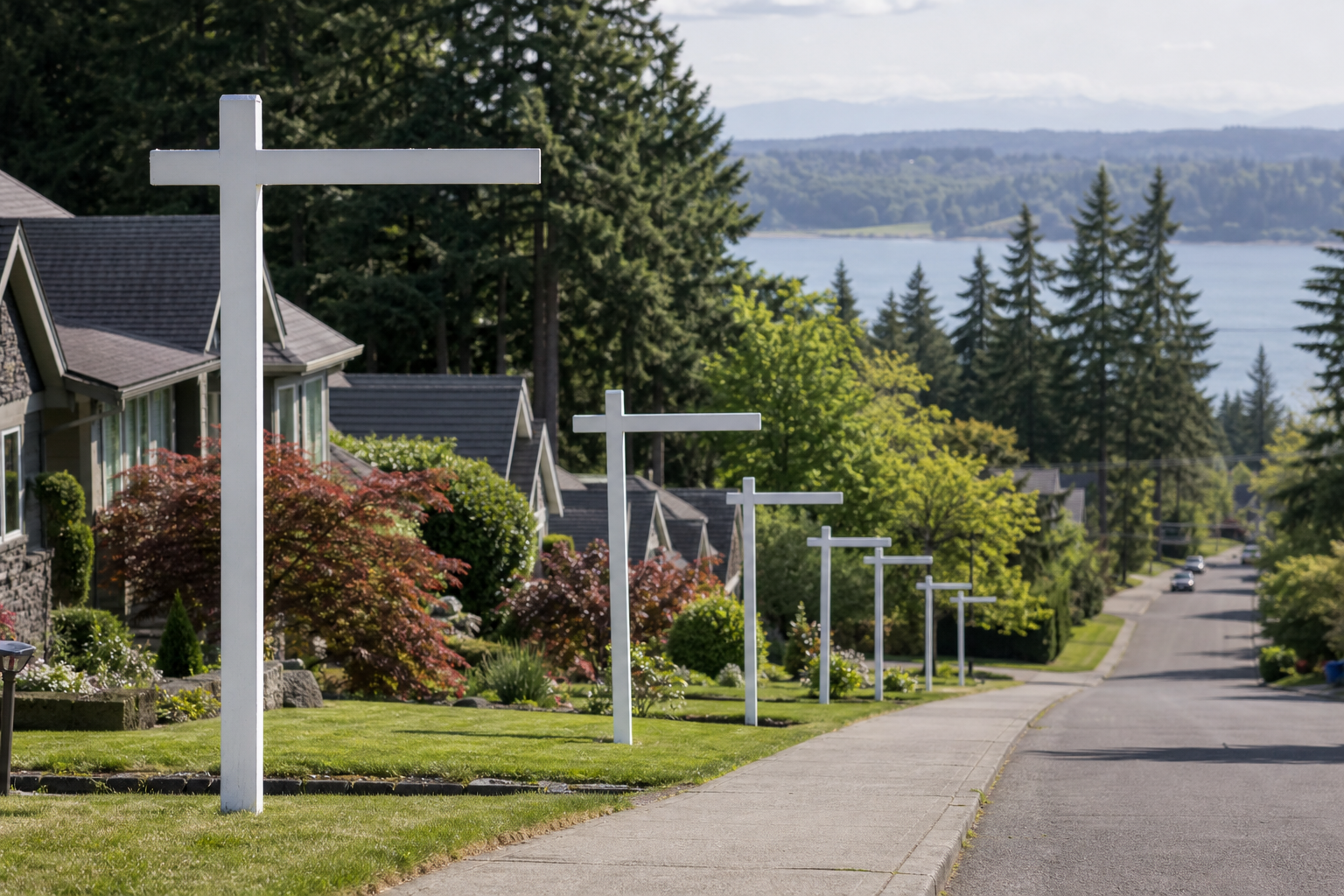

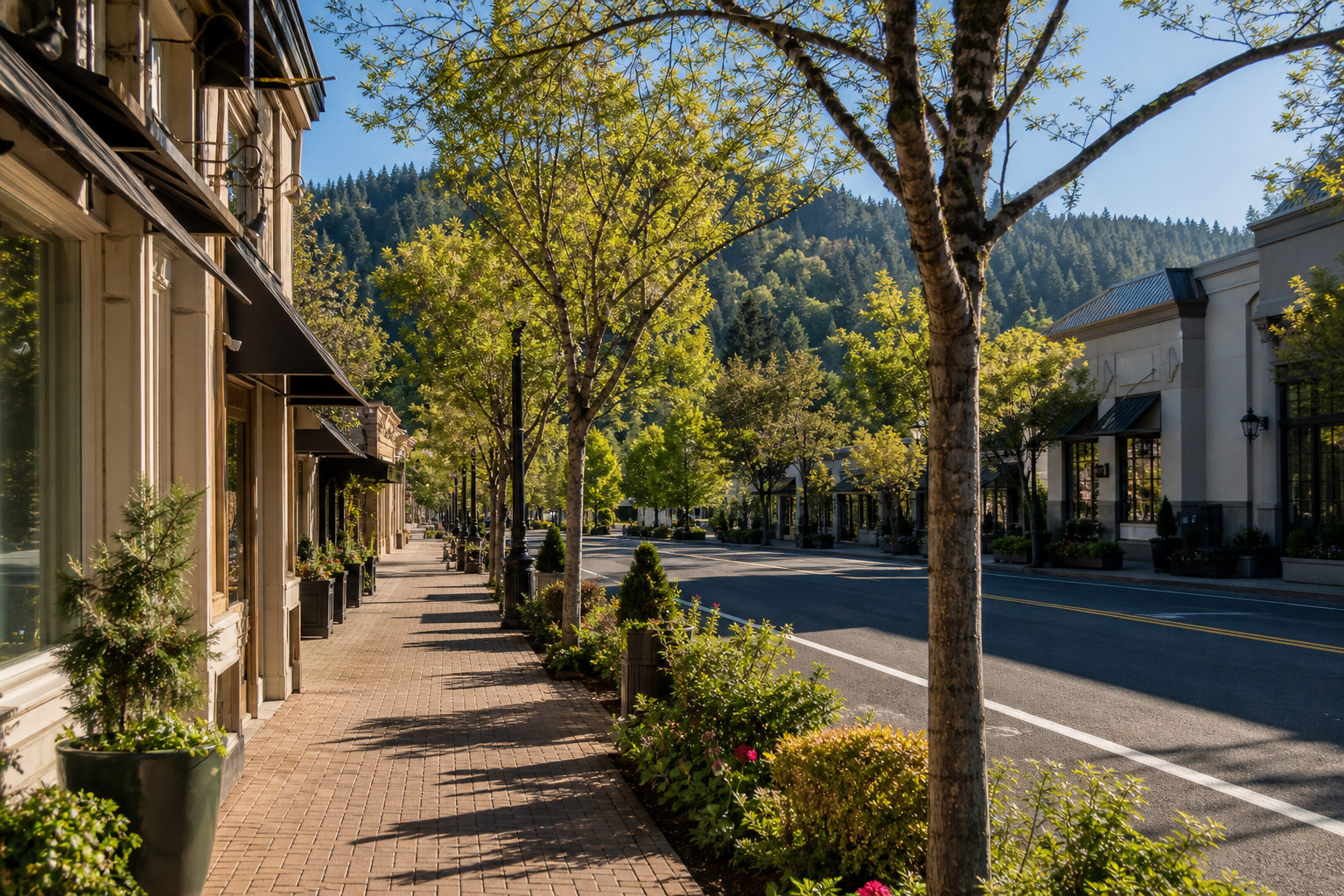
Portland’s West Hills is a collection of elevated communities, not one neighborhood, and some sit in the City of Portland while others fall in Washington County. Relocators should check jurisdiction, terrain, views, and real commute times address by address before choosing a home.
What to Know About Portland’s West Hills Before Moving
What should relocators know about Portland’s West Hills?
If you want to know about Portland’s West Hills, start here: it’s a geographic area, not a single neighborhood or city. It covers wooded, elevated communities west of central Portland, and some sit inside the City of Portland while others fall under Washington County jurisdictions. The lifestyle draw is real (forest trails, city and mountain views, quiet hill roads), but the details change from one address to the next, so you should evaluate each property individually.
Key Takeaways
- “West Hills” is not one market: Forest Heights, Northwest Heights, Sylvan Highlands, West Slope, and Raleigh Hills each have a different character and different governing jurisdictions.
- Forest Park, Portland’s largest urban forest, gives the northwest hills an extensive trail network, including the Wildwood Trail, within minutes of home.
- A “Mount Hood view” or “city view” in a listing has to be verified from the property itself, because slope, trees, and nearby development change what you actually see.
- Jurisdiction affects schools, utilities, emergency services, zoning, and property-tax administration, so confirm it for every address you’re considering.
- Hillside lots call for terrain-specific due diligence on drainage, retaining walls, slope stability, driveway grade, and winter access.
Which neighborhoods count as the West Hills, and who governs each one?
The West Hills generally include Forest Heights, Northwest Heights, Sylvan Highlands, West Slope, Raleigh Hills, and parts of Southwest Portland and unincorporated Washington County. Where the boundary falls depends on who you ask, so I always ask relocators which specific community they mean before we talk about anything else.
Here’s how I frame the main areas when I start working with someone moving in from out of state:
| Area | General character | What to verify by address |
|---|---|---|
| Forest Heights | Planned residential community in the northwest hills, close to Forest Park | Private neighborhood amenities versus public park facilities |
| Northwest Heights | Elevated Portland neighborhood with winding hill roads and wooded settings | Views, lot size, route and travel time to your destinations |
| Sylvan Highlands | Elevated Portland neighborhood with larger lots and views | Slope, tree cover, and access in winter weather |
| West Slope | West-of-the-city community tied to the Washington County and Beaverton-area system | Municipality, permitting, taxes, and service providers |
| Raleigh Hills | West-of-the-city community tied to the Washington County and Beaverton-area system | School boundaries, utilities, and nearby commercial options |
Why does the city versus county line matter so much?
Because it changes the services and rules attached to your home. Whether a house is in the City of Portland, in Beaverton, or in unincorporated Washington County affects schools, utility providers, emergency services, transportation, zoning, and how property taxes are administered.
Two homes that look like neighbors on a map can sit in different systems. I verify the governing jurisdiction for each address before a client writes an offer, and you should do the same with any agent you hire. If you’re comparing the northwest side of the hills with the urban core, my NW Portland relocation guide shows how those two settings differ.
What is daily life like in the West Hills?
Daily life in the West Hills revolves around quick access to forest trails, elevated views, and a short drive to several different commercial districts. Which of those you get depends heavily on the specific neighborhood.
How close is Forest Park, and what can you do there?
Forest Park is the defining feature for the northwest hills. The City of Portland Parks & Recreation identifies it as a major natural-area resource, and it’s the largest urban forest in the city. The Wildwood Trail runs through it and connects with other trails and access points, which is why hiking and trail running are central to life in this part of town.
If you’re looking at Forest Heights, trail access is a major selling point because of the neighborhood’s proximity to the park. Just keep private neighborhood amenities separate from public Forest Park facilities in your mind, since they aren’t the same thing. Before you plan your weekends around a particular trail, check conditions, closures, and access information with Portland Parks & Recreation.
Will the view you saw in the listing be the view you get?
Not always. The West Hills offer elevated viewpoints toward Portland, the Willamette River, and the Cascade Range, but views vary substantially by exact slope, vegetation, tree growth, and development.
My advice to relocators is to stand on the deck, in the kitchen, and in the primary bedroom of any house marketed with a view. Do it at the time of day you’d be home. A neighbor’s tree or a future building can change what a listing photo promised, and that’s not something you can infer from the neighborhood name.
Where do West Hills residents shop and eat?
There’s no single “West Hills main street.” Residents commonly use the commercial districts in Northwest Portland, Cedar Mill, Raleigh Hills, Beaverton, and downtown Portland, depending on which part of the hills they live in.
That matters if you’re moving for the local-business scene. A home in Forest Heights and a home in Raleigh Hills put you near very different retail and dining nodes. I walk clients through the nearest commercial areas for each address on their shortlist, so they know what their everyday errands and weekend routines will look like. If you’re drawn to a more urban rhythm, I’d compare these options with the walkable pockets covered in my West Hills lifestyle guide for relocators.
How long is the commute from the West Hills to downtown?
It depends on the route, the hour, and the weather, and being close on the map doesn’t guarantee a short drive. Steep roads, limited direct routes, congestion on major east-west corridors, and winter weather can all affect travel time materially.
Test the commute yourself. Drive it at the times you’d actually travel, on a weekday, before you commit to a house. I tell every relocator the same thing: a number from an app at midday won’t match your reality at 8:00 a.m.
What should you inspect before buying a hillside home in the West Hills?
You should inspect the terrain as carefully as the house. Hillside properties raise issues that are less common on flatter parts of the metro, and these are property-specific, so you can’t draw a conclusion from the neighborhood name alone.
Here’s the list I walk my clients through on a steep lot:
- Retaining structures: condition, drainage behind them, and who maintains them.
- Surface-water drainage and roof runoff: where water goes during heavy rain, and whether it’s directed away from the foundation.
- Foundation movement and slope stability: signs of settling, cracking, or erosion on or near the property.
- Driveway grade: how steep it is, and whether you’d be comfortable using it in winter conditions.
- Mature trees: proximity to the house and any hazard they present.
- Road and emergency access: whether the street is public or private, and how maintenance and emergency vehicles reach the home.
The right inspections depend on the property, and they should be handled by qualified local professionals. As a licensed general contractor, I look at these things with a builder’s eye, and I help clients decide which specialists to bring in based on what the house shows us. That’s the kind of judgment call I make before we ever get to an offer.
Should you buy based on a neighborhood name?
No. Prices, lot conditions, views, and service providers shift block by block in the hills, so I pull comparables by address rather than relying on a broad West Hills average. If you want a clear picture of what a specific home is worth and what to watch for, that’s a conversation we should have with the actual address in front of us. If you’re also selling a home elsewhere, my post on selling before buying in Portland covers the sequencing.
FAQ
What neighborhoods are considered part of Portland’s West Hills?
Forest Heights, Northwest Heights, Sylvan Highlands, West Slope, and Raleigh Hills are commonly included, along with parts of Southwest Portland and unincorporated Washington County. Boundaries and the meaning of “West Hills” vary by source, so identify the exact community before you compare homes.
Are Portland’s West Hills inside the city of Portland or in Washington County?
Both. Some West Hills communities are inside the City of Portland, while others, such as West Slope and Raleigh Hills, are associated with Washington County and the Beaverton-area system. Confirm the governing jurisdiction for each address, since it affects services, zoning, and taxes.
Is Forest Park close to the West Hills neighborhoods?
Yes, especially the northwest hills. Forest Heights sits in direct proximity to Forest Park, and the park’s trail network, including the Wildwood Trail, is a major part of the area’s lifestyle. Check access and trail conditions with Portland Parks & Recreation.
Which West Hills areas have the best Portland or Mount Hood views?
Elevated areas like Northwest Heights and Sylvan Highlands are known for views, but the actual view depends on the exact slope, tree growth, and nearby development. Verify any “Mount Hood view” or “city view” claim from the property itself.
How do West Hills home prices compare with the rest of Portland Metro?
Prices vary widely by neighborhood, lot, and view, so a single West Hills figure can mislead you. I pull address-level comparables for each home on a client’s shortlist, which gives a far more useful comparison than a metro-wide average.
Ready to look at the West Hills with someone who knows the terrain?
To really know about Portland’s West Hills, you have to look past the label and into each address: the jurisdiction, the slope, the view, and the drive. That’s the work I do with relocating clients, combining local knowledge, a contractor’s eye for hillside properties, and a clear process for comparing neighborhoods.
If you’re considering a move, schedule a consultation with me and we’ll narrow down which West Hills communities fit your priorities.
About Pascha Cain
Pascha Cain is a Portland Metro Realtor, investor, and licensed general contractor who brings 20+ years of brand and business experience from Nike and adidas to real estate. She helps clients make smarter decisions around buying, selling, renovating, and investing, combining sharp marketing, design vision, and a wealth-building mindset to protect and maximize the value of every home.
Pascha Cain, Real Broker
Equal Housing Opportunity. Pascha Cain, Real Broker, Oregon License #201251465, regulated by the Oregon Real Estate Agency. This article is general information, not legal, tax, or financial advice; confirm your own numbers with your closing agent, tax advisor, or lender.