
Portland’s West Hills offers a rare mix of lush greenery, elevated city and mountain views, and quick access to downtown, with housing stock ranging from mid-century single-family homes to custom contemporary properties. As of 2026, the Portland Metro market is essentially flat year-over-year, making it a measured moment to relocate and find the right fit.
Is Portland’s West Hills a good place to live for people relocating to Portland?
Yes. Portland’s West Hills delivers an unusually rare combination: mature forest surroundings, sweeping views of downtown and the Willamette River, and a commute to the city center that can be measured in minutes rather than hours. The housing stock runs from architectural mid-century homes to custom contemporary builds, and the market in 2026 is stable enough that relocating buyers have real options without the panic-buying pressure of a few years ago.
What Makes West Hills Different from the Rest of Portland
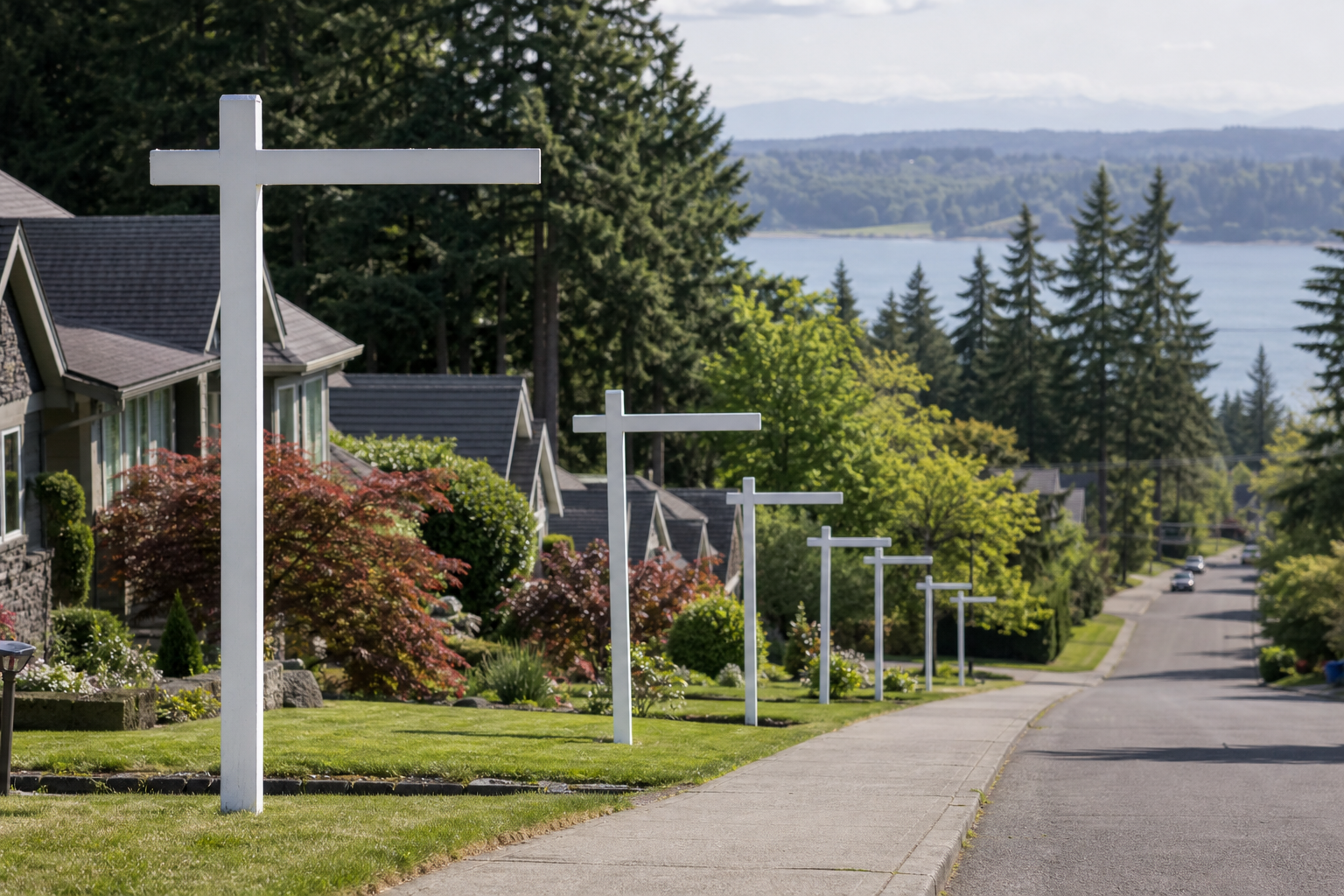
Most Portland neighborhoods sit in the flat grid of the east side or the inner westside. West Hills is different in a way you feel the moment you drive up. The streets wind through Douglas firs and maples, the air is noticeably cooler, and on a clear day you can see Mount Hood from your front porch. That’s not a marketing line, it’s the everyday reality for people who live here.
I work with a lot of relocating buyers, and West Hills consistently surprises people. They expect to trade urban access for that kind of natural setting. What they find instead is that you can be at a downtown Portland restaurant or at Washington Park in under 15 minutes from most of the neighborhood.
The micro-areas within West Hills
West Hills isn’t one monolithic neighborhood, it’s a collection of distinct pockets, each with its own feel.
Southwest Hills and Portland Heights sit closest to downtown and OHSU, with a heavily residential character and some of the most coveted view homes in the city. These streets attract professionals who want proximity to the medical and university corridor without sacrificing quiet.
Arlington Heights borders Washington Park and the International Rose Test Garden. If walkable access to trails and green space is your priority, this pocket delivers. I’ve had buyers step out the back gate of a property here and be on a Forest Park trail within five minutes.
Forest Park-adjacent pockets are the most secluded. Think wooded lots, privacy, and the kind of stillness you’d expect from a rural property, but with city services and a reasonable drive to anywhere you need to be. These are the homes that make people say they feel like they’re on vacation every day.
The housing stock: more range than you’d expect
One thing I want to correct before you start your search: West Hills is not exclusively luxury estate territory. Yes, there are significant custom homes on large view lots. But there are also smaller single-family homes, condominiums along key corridors, and mid-century properties that represent a more accessible entry point into the neighborhood.
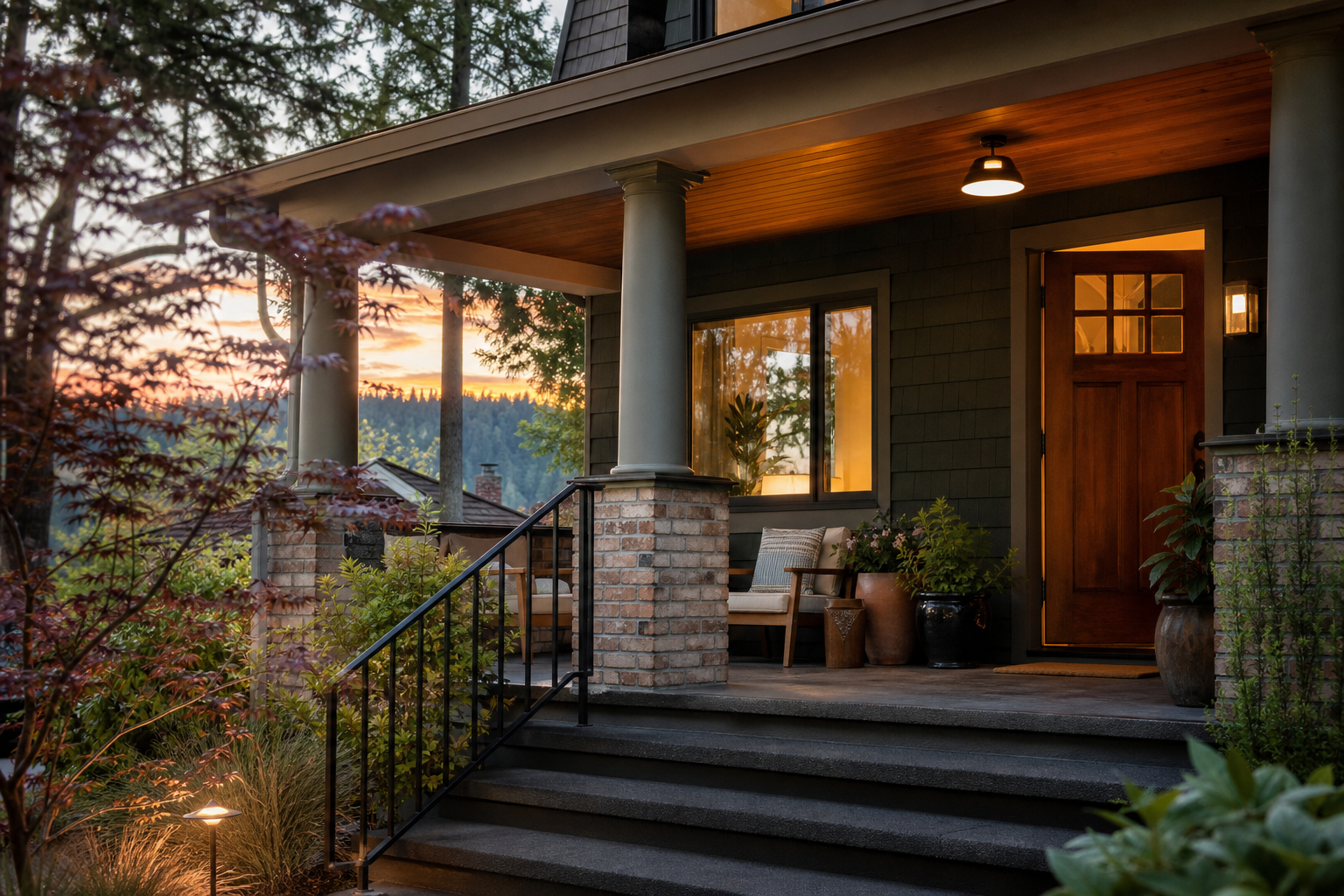
The architectural mix reflects decades of organic development rather than a master-planned community, you’ll find traditional Northwest builds next to contemporary custom homes next to well-preserved mid-century ranches. That variety is part of what gives the area its character.
That said, West Hills does sit in the upper pricing tier for Portland. The broader West Portland region, which includes West Hills, was tracking a median sale price meaningfully above the citywide median as of early 2026. If you’re budgeting against the Portland Metro median, plan for West Hills to run higher. I’ll get into the market numbers below.
The 2026 Portland Market: What Relocating Buyers Need to Know
The Portland Metro housing market in 2026 is best described as stable and selective. Prices have leveled off after several years of volatility, and that’s actually good news for relocating buyers who want to make a thoughtful decision rather than a rushed one.
Here’s a snapshot of where the Portland market stands based on the most recent data available as of August 2026:
| Metric | Figure | Source / Period |
|---|---|---|
| Portland city median sale price | ~$512,000 | PropertyMax, Q1 2026 |
| Portland Metro median sale price | ~$534,000–$549,000 | PropertyMax, Q1 2026 |
| Year-over-year price change | Essentially flat (~+0.3%) | PropertyMax, Q1 2026 |
| Median days to pending | ~13 days | Zillow, through July 31, 2026 |
| Homes selling above list price | ~48% | Zillow, through July 31, 2026 |
| Active listings (metro) | ~10,900 | Columbia Gorge News, June 2026 |
| Listings selling above original list | ~26% | Columbia Gorge News, June 2026 |
According to PropertyMax’s Q1 2026 analysis, Portland city’s median sale price is around $512,000, with the broader metro ranging from roughly $534,000 to $549,000, essentially flat year-over-year at about +0.3%. That’s a very different environment from the frenzied market of a few years ago.
Zillow’s Portland market data through July 31, 2026 shows a median sale price around $568,000, median days to pending of about 13 days, and roughly 48% of homes closing above list price. That last number tells you something important: the market has cooled from its peak, but well-priced homes in desirable neighborhoods are still generating real competition.
Redfin’s mid-2026 Portland housing trends align closely, showing a three-month median sale price around $535,000 and homes selling in about 14 days on average.
A June 2026 Columbia Gorge News article covering Portland market conditions noted median days on market in the low 30s, inventory around 10,900 active listings, and about 26% of listings selling above original list price, with just over half of listings still unsold after 60 days. That split tells the real story: the market rewards accurate pricing and strong presentation, and punishes overpricing.
For West Hills specifically, expect to be shopping above the citywide median. The Westside consistently prices at a premium relative to the broader Portland market. Your specific range will depend on the sub-area, lot size, views, and condition, and that’s exactly where a local market analysis becomes essential. If you want to know what your budget actually buys in West Hills right now, that’s a conversation worth having before you start touring homes.
For more on how to interpret Portland pricing and comparable sales data, I’d recommend reading my guide to reading Portland comps in 2026, it walks through exactly how to evaluate what you’re seeing in a flat market with real micro-market variation.
Commuting and Getting Around from West Hills
Commute is one of the first practical questions I get from relocating buyers, and it’s worth being honest here: West Hills is close to downtown in distance, but hillside roads and peak-hour bottlenecks on US-26 (Sunset Highway) and SW Burnside can stretch that trip. On a good day, you’re downtown in 10 minutes. During peak commute hours, plan for more.
The main routes are US-26, SW Burnside, and local arterials. If you’re heading to OHSU, you’re practically there, the hospital sits on the hill and is directly accessible from many West Hills sub-neighborhoods. For Westside tech jobs in Beaverton and Hillsboro, US-26 is your primary corridor.
Transit access is good but requires some planning. TriMet MAX light rail stations and bus routes serve the base of the hills well. From more secluded residential streets higher up, you’ll typically need a short drive or walk to reach a transit connection. For buyers relocating from car-dependent metros, that’s actually a step up. For buyers coming from dense urban transit networks, it’s worth understanding before you commit.
One thing I always tell relocating buyers: drive your actual commute route at the time of day you’d be doing it. Don’t rely on a map app’s estimate at noon on a Tuesday. The topography creates bottlenecks that are very real during rush hour, and that experience will tell you more than any statistic.
If you’re also evaluating other premium Portland neighborhoods for their commute profiles and upgrade potential, my post on Portland Metro luxury neighborhoods in 2026 covers several Westside comparisons worth reading.
Practical considerations for hillside living
If you’re relocating from a flat city, a few things about hillside living are worth flagging before you fall in love with a property:
- Steep driveways and street grades are common. In winter, even modest ice or snow can make certain streets challenging. Portland doesn’t get heavy snow often, but when it does, West Hills feels it more than the valley floor.
- Parking and driveway layouts vary dramatically. Some properties have generous flat parking; others require careful maneuvering. Worth paying attention to during tours, especially if you have multiple vehicles or plan to have guests.
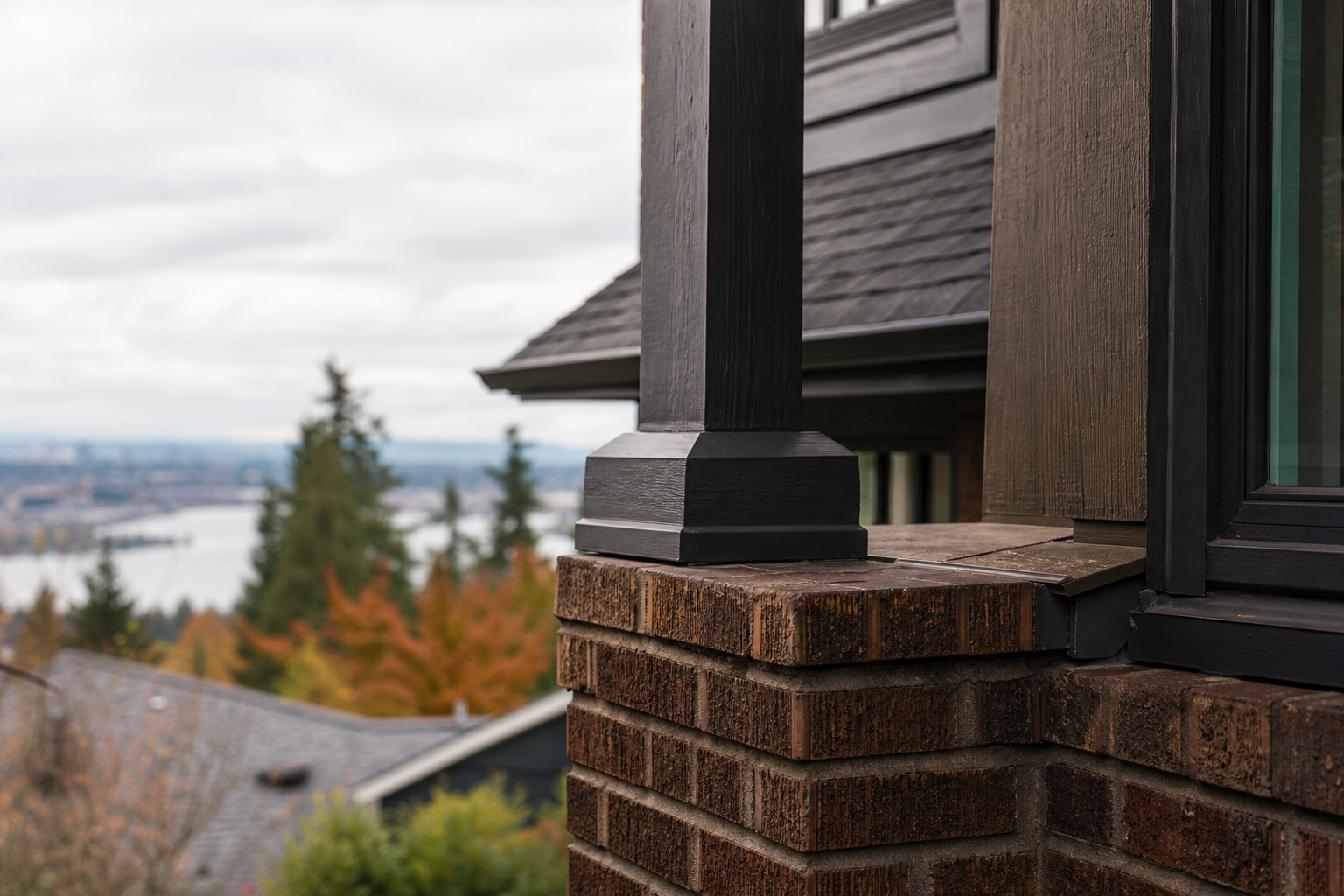
- Views come with exposure. The same elevation that gives you city and mountain views can also mean more wind and a different microclimate than lower Portland neighborhoods.
None of these are dealbreakers, they’re just things I want my clients to walk into with open eyes rather than discover after closing.
Frequently Asked Questions
Is Portland’s West Hills a good place to live if I want both nature and easy access to downtown?
Yes, and it’s genuinely rare to find that combination at this scale in a major city. West Hills sits directly above downtown Portland, with Forest Park, one of the largest urban forests in the United States, on its doorstep. Most sub-areas are a 10-to-20-minute drive from the city center, and Washington Park’s trails and gardens are walkable from parts of the neighborhood. The tradeoff is hillside topography and variable commute times during peak hours.
How does home pricing in West Hills compare to the overall Portland Metro market in 2026?
West Hills sits in the upper pricing tier relative to the broader Portland Metro. The citywide median sale price was around $512,000 in Q1 2026, according to PropertyMax, while the broader West Portland region tracks meaningfully above that figure. The exact premium depends on the sub-area, lot size, views, and condition of the home. A local market analysis will give you a realistic picture of what your budget buys in specific West Hills pockets.
What types of homes can I find in Portland’s West Hills, are there condos and smaller houses, or just luxury properties?
The housing stock is more varied than many relocating buyers expect. West Hills includes upscale single-family homes on large view lots, but also smaller single-family homes, condominiums along key corridors, and mid-century properties that offer a more accessible entry point. Architectural styles range from traditional Northwest builds to custom contemporary homes. It is a premium neighborhood overall, but it’s not exclusively large-estate territory.
How long are homes in West Hills and West Portland taking to sell right now?
Based on the most recent Portland-wide data, well-priced homes are moving quickly, Zillow’s data through July 31, 2026 shows a median of about 13 days to pending, and Redfin’s mid-2026 figures show roughly 14 days on average. Homes that are overpriced or need significant work are sitting longer, a June 2026 report noted just over half of listings still unsold after 60 days. In a desirable area like West Hills, correctly priced homes in good condition can still attract strong offers quickly.
Is the Portland housing market in 2026 still competitive, or has it cooled down?
It’s selective rather than uniformly competitive. Prices are essentially flat year-over-year, and inventory has expanded, but roughly 48% of Portland homes are still closing above list price, according to Zillow’s July 2026 data. The market rewards well-priced, well-presented homes and punishes overpriced ones. For relocating buyers, that means more breathing room than the peak years, but you still need to be prepared to move decisively on a home that checks your boxes in a desirable neighborhood.
What commuting options exist from West Hills to downtown Portland?
Most West Hills residents drive via US-26, SW Burnside, or local arterials. Distance to downtown is short, but peak-hour traffic on hillside roads can extend commute times. TriMet MAX and bus service is accessible near the base of the hills, making transit a viable option for buyers willing to drive or walk a short distance to a stop. OHSU on Marquam Hill is directly accessible from many West Hills sub-neighborhoods, making it a natural fit for medical and university professionals.
If you’re weighing West Hills against other premium Portland neighborhoods, my guide to the Portland luxury real estate market walks through the strategic considerations for high-income buyers navigating the upper tier.
Ready to Explore West Hills?
West Hills is one of those neighborhoods that’s hard to fully appreciate until you’ve driven its streets, stood on a view terrace, and understood what “serene yet connected” actually feels like in practice. The 2026 market gives you more time to make a considered decision than buyers had a few years ago, but the best homes in the best micro-areas still move fast when they’re priced right.
I know this neighborhood well, and I know what separates a well-positioned buy from one that will frustrate you down the road. If you’re relocating to Portland and West Hills is on your list, let’s talk through your priorities and run the numbers on what your budget actually buys here. Schedule a consultation and we’ll map out a search strategy built around your timeline and goals.
About Pascha Cain
Pascha Cain is a Portland Metro Realtor, investor, and licensed contractor who brings 20+ years of brand and business experience from Nike and adidas to real estate. She helps clients make smarter decisions around buying, selling, renovating, and investing, combining sharp marketing, design vision, and a wealth-building mindset to protect and maximize the value of every home.
Pascha Cain, Real Broker | OR License #201251465
Equal Housing Opportunity. Pascha Cain is licensed in Oregon (OR #201251465), regulated by the Oregon Real Estate Agency. This article is general information only and is not legal, tax, or financial advice. Confirm all details relevant to your situation with your attorney, tax advisor, lender, or escrow officer.