

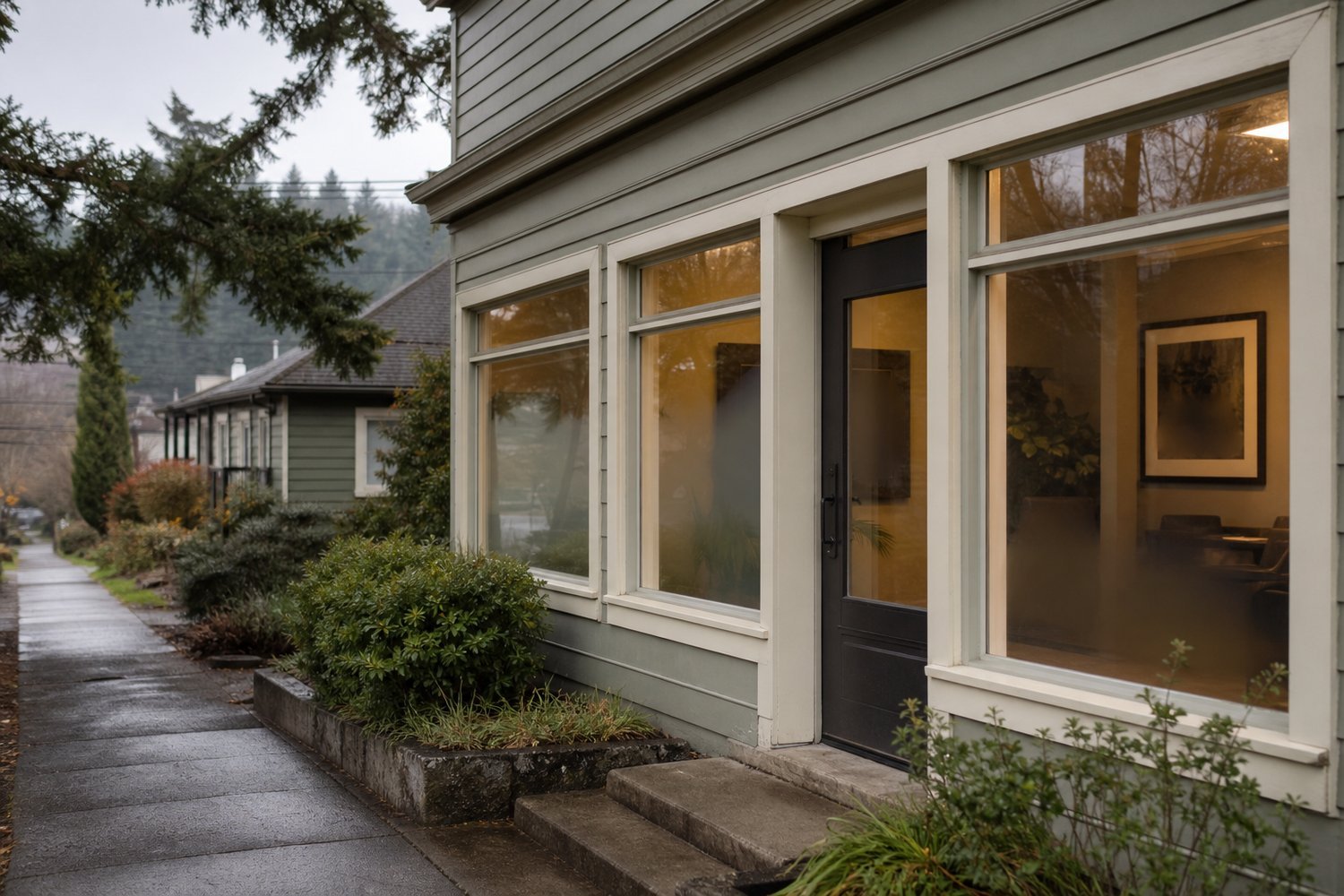
Your lender’s reserve requirement is a qualifying minimum, not a safety plan. Before you close, build two cushions: cash that satisfies the lender’s months of housing payments, and a separate first-year repair and emergency fund sized from your inspection report. Escrow balances don’t count toward either. Run your own numbers with your lender and a local agent.
How Much Should Portland Buyers Keep in Reserves?
How much should Portland buyers keep in reserves after closing?
There is no single number. The amount Portland buyers keep in reserves has two parts: the months of housing payments your lender requires you to hold, and a separate personal cushion for repairs and income surprises. The lender’s number depends on your loan and file. The personal number should come from your inspection report, the age of the home, and how stable your income is.
Key Takeaways
- Lender reserves are measured in months of PITIA (principal, interest, taxes, insurance and applicable assessments), and the required number of months varies by loan type, occupancy, property and underwriting result.
- Money sitting in your mortgage escrow account is committed to property taxes and insurance, so it can’t pay for a failed water heater or a roof leak.
- You can satisfy a lender’s reserve test and still be short on cash for the first year of repairs, especially in an older Portland home.
- Your inspection report, not a percentage rule, is the best starting point for sizing first-year repair cash.
- Multnomah, Washington and Clackamas counties don’t share one tax calendar, so confirm your first post-closing tax payment with your closing agent and lender.
What’s the difference between lender-required reserves and a personal emergency fund?
Lender-required reserves are a qualifying test. A personal emergency fund is your actual protection after you own the house. They can overlap in the same bank account, but they answer different questions.
What do lender reserves actually measure?
Fannie Mae defines reserves as liquid financial assets available to cover your qualifying housing payment, counted in months of PITIA. The Fannie Mae Selling Guide on minimum reserve requirements is clear that the number of months depends on the loan type, occupancy, property characteristics, borrower profile and the automated underwriting result.
That means two buyers in the same Portland neighborhood can be told different things. Your loan officer can tell you the exact requirement for your file. Ask early, before you commit your cash to a larger down payment.
Why isn’t my escrow balance part of my safety net?
Escrow is not repair money. An escrow account exists to pay scheduled obligations like property taxes and hazard-insurance premiums, and those funds stay committed to those bills. Oregon’s administrative rules on escrow, such as OAR 274-045-0150, reflect that purpose.
Some loan programs also add their own escrow rules. For example, the Oregon Department of Veterans’ Affairs notes in its escrow account options that escrow for taxes, hazard insurance, mortgage insurance and, when applicable, flood insurance may be a condition of that loan. That’s a program rule, not a universal one, so check what applies to yours.
How should I separate my cash into categories?
I walk my clients through this before they write an offer. I want them to see their cash as separate buckets, not one balance.
| Cash category | What it’s for | Can it cover a surprise repair? |
|---|---|---|
| Lender-qualified reserves | Months of PITIA your lender wants to see in liquid assets | It’s liquid, but it shouldn’t be your only cushion |
| Escrow balance | Scheduled property taxes and insurance premiums | No, it’s committed to those bills |
| First-year repair cash | Items flagged in your inspection report | Yes, that’s its job |
| Emergency savings | Income interruption, medical costs, life events | Only as a last resort |
| Maintenance and replacement savings | Planned roof, paint, mechanical and exterior work | Yes, for planned work |
The trap is a buyer who spends every spare dollar at closing and technically passes the lender’s reserve test. Then the water heater fails in month three and there is nothing left. If you’re still deciding how much to bring to the table, my breakdown of how much cash you need to buy a home in Portland Metro pairs well with this one.
How much cash should Portland buyers keep in reserves for repairs after inspection?
Size it from the inspection report, not from a rule of thumb. Add up every item that is unsafe, near the end of its useful life, actively leaking, nonfunctional, or flagged for a specialist. Then keep enough cash for that work plus a cushion for something unrelated.
As a licensed general contractor, I read inspection reports differently than most agents do. A line that says “serviceable” on a 25-year-old furnace is not the same as a new furnace. I tell buyers to get written estimates for the material items before closing when possible. A real quote beats a guess every time.
What should I check in an older Portland home?
Plan on a system-by-system review for any home built before modern system updates. In my experience with older homes in NW Portland, West Hills and across the metro, these are the items that move the reserve number most:
- Roof: age, moss and drainage.
- Basement or crawl space: moisture and dry rot.
- Sewer lateral: condition of the line from the house to the street.
- Electrical: knob-and-tube or other obsolete components.
- Plumbing: galvanized or otherwise aging pipes.
- Mechanical systems: furnace, boiler, heat pump and water-heater age.
- Structure: foundation connections and seismic vulnerability.
- Permits: converted basements, additions or accessory dwelling units.
Any one of these can turn a reasonable purchase into a tight first year. That’s why I want a buyer’s cash plan finished before the inspection window closes, not after.
Does the neighborhood tell me how much to set aside?
No. Older homes are common in areas like Ladd’s Addition, Beaumont-Wilshire and Concordia, but the neighborhood name is not evidence. Construction date, renovation history, maintenance records and inspection findings matter far more. A fully updated older house can need less cash than a newer one that was neglected.
Do reserves change for a condo, townhouse or HOA home?
Yes, though not always downward. A detached older home puts roof, exterior, sewer, drainage and mechanical systems directly on you. A condominium may shift some exterior or structural responsibility to the association, but you still need to look at the association’s reserves, pending assessments and maintenance obligations. Your lender’s personal reserve requirement says nothing about whether the HOA itself is financially healthy.
How do property taxes and county calendars affect my cash after closing?
They affect your first few months of cash flow, and the calendar is different depending on where in Portland Metro you buy. Multnomah County lists November 15, 2026 as its payment deadline on its online property tax payments page. Clackamas County’s 2026 property tax statement guide lists November 16, 2026.
One day apart looks minor, but it reinforces a bigger point. Don’t assume one tax calendar covers Multnomah, Washington and Clackamas counties. Confirm with your closing agent and lender how taxes are prorated, how your escrow account is set up, and when your first post-closing payment is due.
This is the detail that catches buyers off guard. Prepaid escrow deposits feel like money you’ve “put away,” but they’re already spoken for. When I plan a buyer’s total cash picture, I treat the escrow deposit as gone and build the real reserve on top of it.
The right total for you depends on your loan, your home’s condition and your income. That’s the kind of question I work through with buyers before we ever write an offer, and it’s where the Portland Buyers Keep in Reserves conversation turns into a real plan.
FAQ
How many months of mortgage payments should I keep in reserve after buying a Portland home?
There is no universal number, because lender requirements depend on your loan type, occupancy, property and underwriting result. Fannie Mae measures reserves in months of PITIA, and your loan officer can tell you the exact requirement for your file. For your personal cushion, I size it from your inspection report and your income stability, not from the lender’s minimum.
Do lender-required reserves include money in my checking and savings accounts?
Generally, liquid assets like checking and savings are where lenders start, but which accounts count and how they must be documented is up to your lender and underwriting. Ask your loan officer to confirm what qualifies before you move money around. Moving funds without telling your lender can create documentation headaches late in the process.
Can prepaid property taxes and homeowners insurance count as emergency reserves?
No. Escrow funds stay committed to scheduled bills like property taxes and hazard-insurance premiums, so they can’t pay for an emergency repair. Treat your escrow deposit as already spent and build your repair and emergency cash on top of it.
Should I budget more for maintenance on a Portland home built before 1940?
Yes, plan more conservatively for an older home, and let the inspection report drive the number. Roof, sewer lateral, electrical, plumbing and mechanical systems are the items that most often change the budget. Get written estimates for material findings before closing when you can.
How should my reserve target change if I buy a condo, townhouse or home with an HOA?
Your personal repair exposure may shrink if the association handles exterior or structural items, but you take on a different risk. Review the association’s reserves, pending assessments and maintenance obligations, since your lender’s reserve test doesn’t tell you whether the HOA is financially healthy. Keep some cash set aside for a possible assessment.
Build the Cushion Before You Close
The lender’s reserve requirement gets you to the closing table. Your own cushion keeps the first year from turning stressful. If you want a plan built around a specific house, I’ll help you read the inspection report, price the likely work, and decide how much to hold back before you commit.
Schedule a consultation with Pascha and we’ll work through your numbers together.
About Pascha Cain
Pascha Cain is a Portland Metro Realtor, investor, and licensed general contractor who brings 20+ years of brand and business experience from Nike and adidas to real estate. She helps clients make smarter decisions around buying, selling, renovating, and investing, combining sharp marketing, design vision, and a wealth-building mindset to protect and maximize the value of every home.
Pascha Cain, Real Broker
Equal Housing Opportunity. Pascha Cain, Oregon Real Estate License #201251465, Real Broker, regulated by the Oregon Real Estate Agency. This article is general information, not legal, tax, or financial advice; confirm your own numbers with your closing agent, tax advisor, or lender.