
NW Portland combines walkable urban living, historic architecture, and immediate access to Forest Park and Washington Park. Sub-neighborhoods range from the boutique-lined Alphabet District to the modern Pearl District, with citywide median rents around $1,419–$1,682 per month and strong transit options for car-light living.
What is it really like to relocate to NW Portland?
NW Portland is one of the city’s most walkable, transit-connected, and culturally dense neighborhoods. It spans several distinct sub-areas, from the historic Alphabet District along NW 23rd Avenue to the modern loft-and-gallery Pearl District, and it puts Forest Park’s 80-plus miles of trails within easy reach. Housing costs run above the Portland citywide average, but the trade-off is a lifestyle that genuinely works without a car.
The Sub-Neighborhoods You Need to Know
NW Portland isn’t one place. It’s a collection of districts that feel meaningfully different from each other, and knowing which one fits your life is the first decision you’ll make.
Northwest District and the Alphabet District
This is the historic core, a grid of streets named alphabetically from Burnside through Wilson. NW 23rd and NW 21st Avenues anchor the commercial life here: independent coffee shops, boutiques, bars, and restaurants packed into low-rise mixed-use buildings alongside early-1900s brick apartments and converted houses. It’s dense, walkable, and social. Units facing the main avenues can pick up late-night noise from restaurants and delivery traffic, so if quiet matters to you, look one or two blocks off the corridor.
Nob Hill
Often used interchangeably with the Northwest District, Nob Hill typically refers to the stretch around NW 23rd with the highest concentration of boutiques, cafes, and evening spots. It’s the neighborhood’s social center of gravity, and it’s what most people picture when they think “NW Portland urban lifestyle.”
Pearl District
A former rail-industrial area immediately north of downtown, the Pearl is all warehouse conversions, condo towers, galleries, and parks. Jamison Square and Tanner Springs give it breathing room in an otherwise vertical urban environment. The feel here is more polished and modern than the Alphabet District, and the housing stock reflects that: elevators, modern finishes, gym amenities, and structured parking are common in newer buildings.
Slabtown and the Conway District
North of NW Lovejoy, Slabtown is the neighborhood’s newest chapter. Mid-rise apartments, mixed-use blocks, new grocery options, and streetcar access define it. If you want new construction without the Pearl’s price premium, this is where I’d tell you to look first.
Hillside, Westover, and the NW Hills
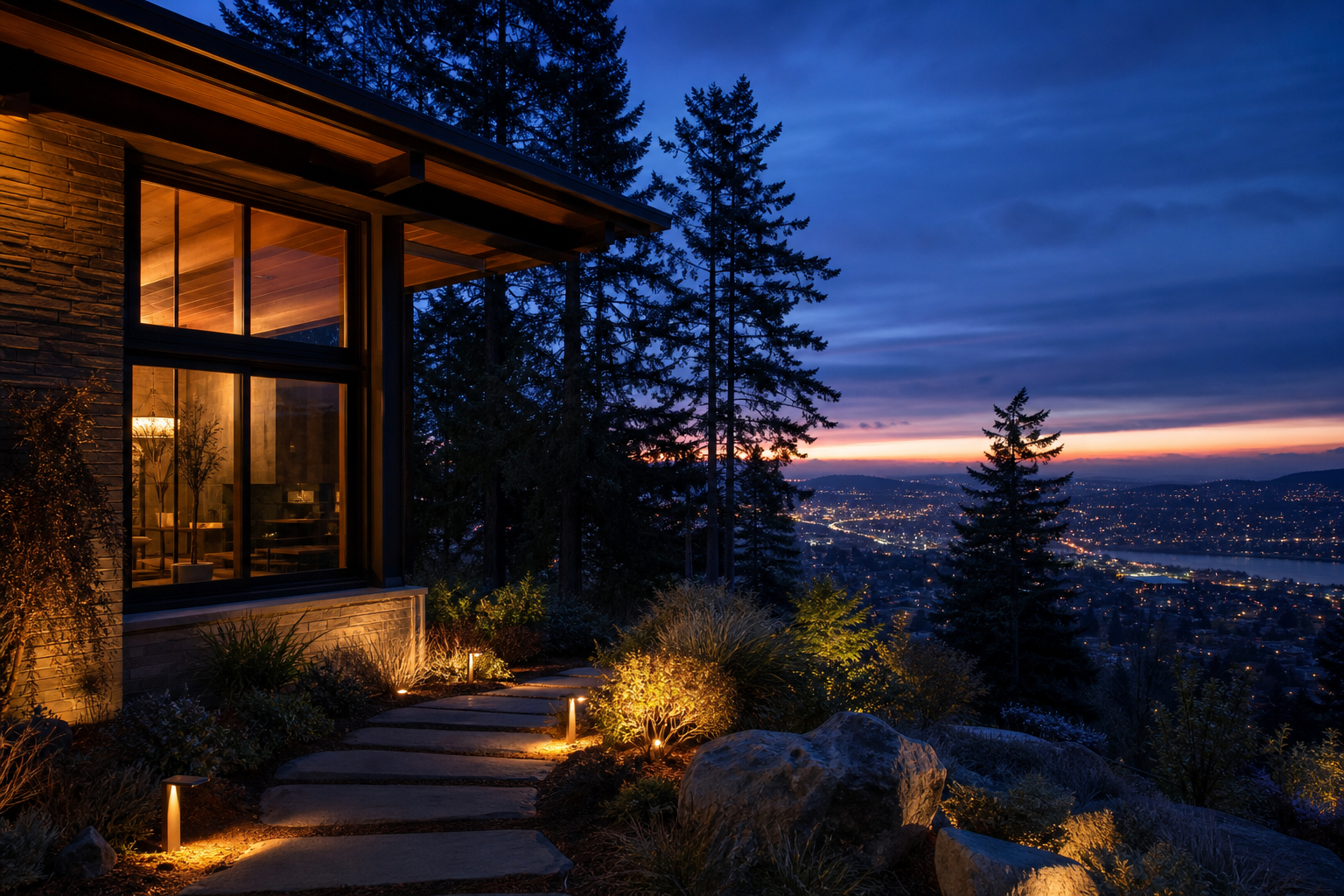
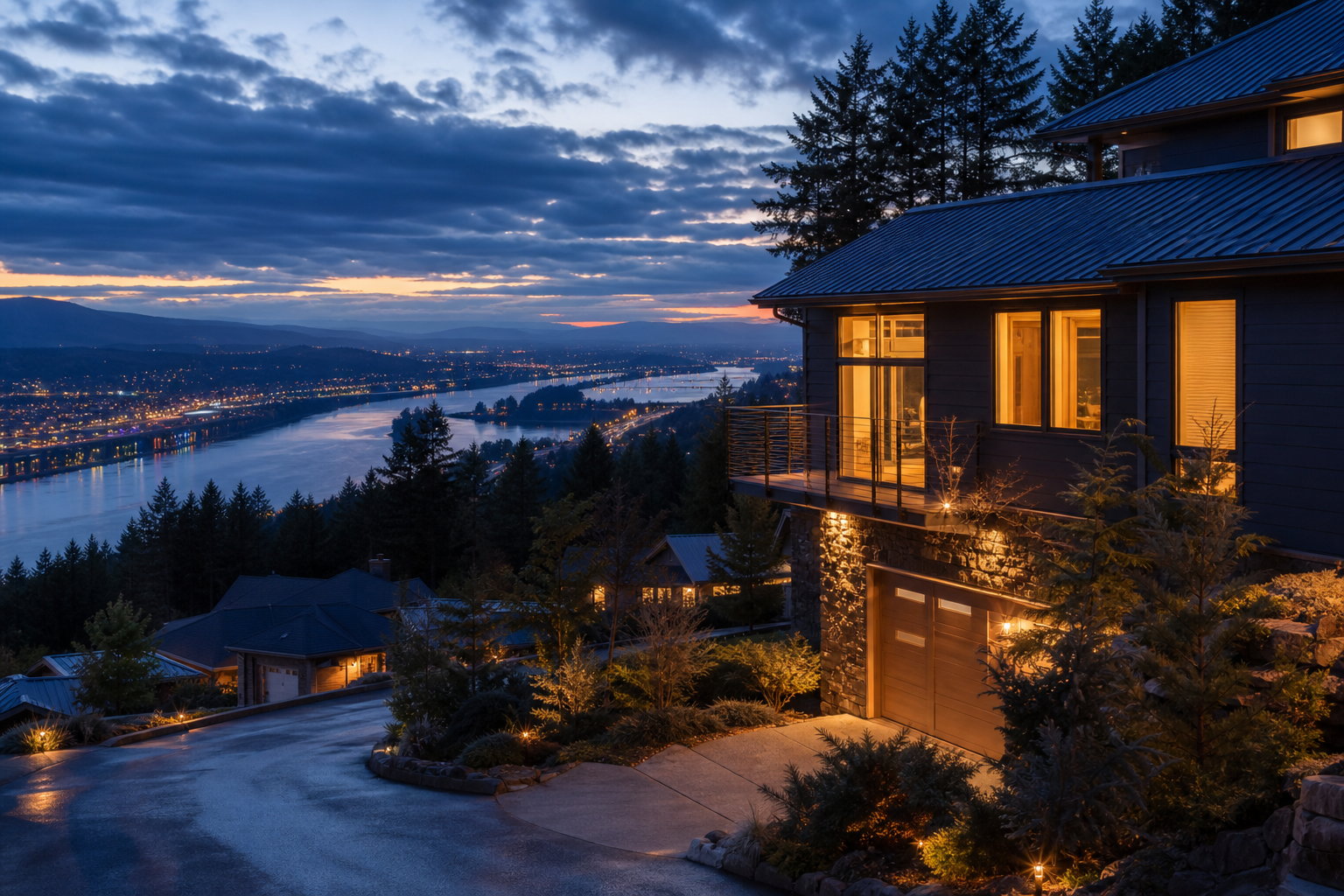
Above the flats, the terrain shifts entirely. Winding streets, view homes, single-family houses, and townhomes replace the dense commercial grid. These pockets are quieter and more residential, with strong sightlines over downtown and the Willamette. Less walkable for daily errands, but the trade-off is space and views you won’t find in the flatlands.
What Housing Actually Looks Like Here
NW Portland’s housing stock is one of its defining features, and it’s worth understanding before you start your search.
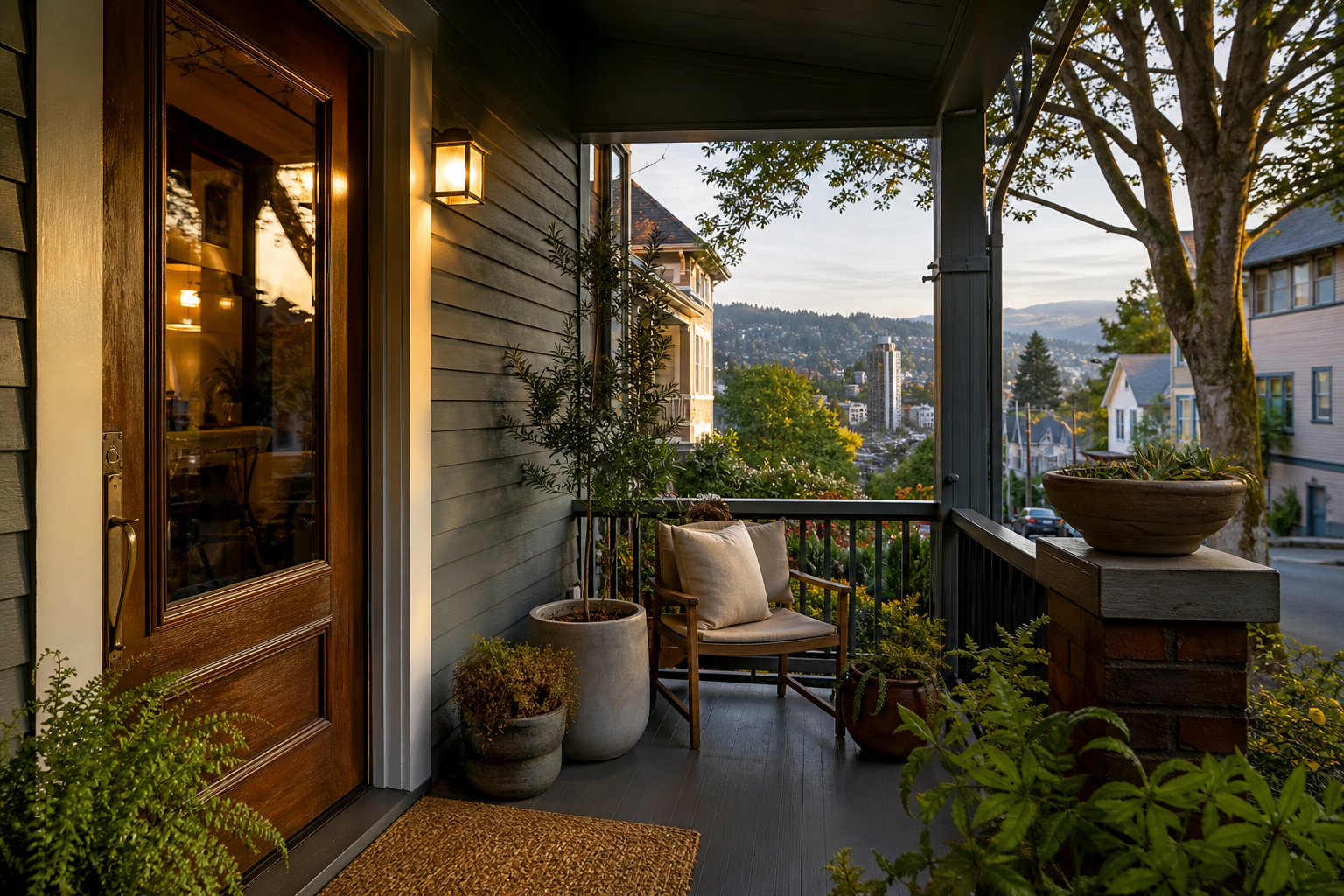
The Alphabet District is full of pre-World War II apartment buildings: brick walk-ups, courtyard complexes, and converted houses with character details and sometimes limited parking. These buildings are charming and often more affordable per square foot than new construction, but units tend to run smaller and parking can be a real challenge. Many streets in the historic district use permit or time-limited parking, so residents either compete for curb space or lean into transit and biking from day one.
Newer Pearl and Slabtown buildings are a different product entirely. Modern finishes, in-unit laundry, structured parking, and building amenities are standard. You’re paying for convenience and condition, and the pricing reflects it.
According to Apartment List’s July 2026 rent index, the citywide median rent in Portland is $1,562 across all apartment sizes, with one-bedrooms at $1,419 and two-bedrooms at $1,682. NW Portland, particularly the Pearl and newer Slabtown buildings, tends to run above those citywide figures given the location and amenities. A separate cost-of-living aggregator using ACS-derived data from LivingCostCompare notes Portland one-bedroom rents around $1,440 per month, roughly 30% higher than the median across large U.S. cities it tracks.
If you’re weighing NW against other parts of the city, the honest answer is that you’re paying a location premium here. The question is whether the walkability, transit access, and proximity to parks and culture justify it for your lifestyle. For a lot of my clients, it does.
| Apartment Size | Portland Citywide Median Rent (July 2026) |
|---|---|
| All sizes combined | $1,562/month |
| One-bedroom | $1,419/month |
| Two-bedroom | $1,682/month |
Source: Apartment List Rent Index, July 2026. These are Portland citywide medians. NW Portland sub-neighborhoods, especially the Pearl District and newer Slabtown buildings, typically run above these figures.
Living Here Day-to-Day: Transit, Parks, and Urban Trade-Offs
Getting Around Without a Car
NW Portland is one of the city’s strongest cases for car-light living. The Portland Streetcar NS Line runs through the neighborhood’s major corridors, including the Pearl, NW Lovejoy, NW Northrup, and NW 23rd, connecting residents to downtown and South Waterfront without transfers. Typical headways run 15 to 20 minutes, with tighter frequency at peak times. Key bus lines serve NW 23rd, NW 21st, and Burnside with direct connections downtown.
For workers commuting to Beaverton or Hillsboro, the most common pattern is walking or taking the streetcar to MAX stations at Providence Park or Goose Hollow, then riding the Blue or Red Line west. As of early 2026, the Portland MSA unemployment rate was approximately 5.1% according to the U.S. Bureau of Labor Statistics, with the Oregon Employment Department reporting about 74,300 residents unemployed in February 2026. The metro’s major job corridors remain downtown Portland, the Beaverton-Hillsboro tech corridor, and the medical and university campuses, all reachable from NW via transit.
Forest Park and Washington Park
This is the detail that surprises people who haven’t spent time in NW Portland. Forest Park, immediately northwest of the neighborhood, is one of the largest urban forest reserves in the United States, with over 5,000 acres and more than 80 miles of trails. From many NW addresses, you can reach a trailhead on foot or by bike. Washington Park sits on the southwest edge of the residential areas and includes the Oregon Zoo, Portland Japanese Garden, and Hoyt Arboretum. The combination of dense urban walkability and immediate access to major natural areas is genuinely rare, and it’s one of the things I always point out when I’m working with clients who are comparing NW to other close-in neighborhoods.
The Urban Trade-Offs to Know Going In
I’d be doing you a disservice if I didn’t address this directly. NW Portland borders downtown and Old Town-Chinatown, which are among Portland’s higher-crime areas according to Portland’s crime dashboard updated in 2026. The residential parts of NW, especially the Alphabet District and the hillside neighborhoods, are more stable, but urban realities like car break-ins, bike theft, and visible homelessness along major corridors are part of the picture.
A 2025 Point-in-Time Count released in January 2026 by Portland State University recorded 27,119 people experiencing homelessness across Oregon on a single night. The City of Portland’s homelessness data portal tracks local shelter utilization, and as of spring 2026, the most recent local count still references early 2025 figures. Street-level homelessness is visible along commercial corridors in NW, particularly near the Pearl’s edges and along Burnside. It’s not a reason to avoid the neighborhood, but it’s something to walk through in person before you commit.
The FBI Crime Data Explorer 2025 figures compiled by NeighborScope show Portland’s citywide violent crime rate at 701 per 100,000 residents and property crime at 5,057 per 100,000, both above national averages. These are citywide numbers, not NW-specific, and the residential pockets in NW tend to perform better than the citywide average, but awareness is part of urban living here.
Portland’s overall cost of living runs 18 to 28% above the U.S. national average according to Wise’s 2026 cost-of-living guide, and LivingCost.org places Portland in the top 5% most expensive cities globally for a single person’s monthly expenses. NW Portland, with its premium location, sits above the citywide average. Budget realistically.
What you get in return is a short commute, a walkable daily routine, immediate access to two of the region’s best parks, and a neighborhood dense enough to support a genuinely car-light life. For the right person, that math works. Figuring out whether it works for you is exactly the kind of conversation I have with every relocation client before we start looking at properties.
If you’re also weighing a purchase in the broader Portland Metro, my post on reading Portland comps in 2026 gives you the market context you’ll need to evaluate any offer you make.
Frequently Asked Questions About Living in NW Portland
Is NW Portland safe compared to other parts of the city?
NW Portland’s residential areas, particularly the Alphabet District and the hillside neighborhoods above the flats, are generally more stable than downtown and Old Town-Chinatown, which border the neighborhood to the east and south. Citywide, Portland’s property crime rate runs above national averages based on FBI Crime Data Explorer 2025 figures, and car break-ins and bike theft are common urban realities in NW. Walking the specific blocks you’re considering at different times of day will give you a much better read than any statistic.
How walkable is NW Portland, and do I really need a car?
For many residents, no. NW 23rd, NW 21st, and the Pearl District put groceries, restaurants, cafes, and transit within walking distance of most addresses. The Portland Streetcar NS Line connects NW corridors to downtown and South Waterfront, and bus lines serve the major avenues directly. For commutes to Beaverton or Hillsboro, the most practical route is streetcar or bus to a MAX station, then the Blue or Red Line west. If you work downtown or in the central city, a car can genuinely be optional.
What kind of housing is available in NW Portland?
The range is wide. The Alphabet District has a large inventory of pre-World War II brick walk-ups, courtyard apartments, and converted houses, often with smaller units and limited parking but strong character. The Pearl District and Slabtown offer newer mid-rise and high-rise construction with modern finishes, in-unit laundry, and structured parking. The hillside neighborhoods above the flats have more single-family homes and townhomes. The right product depends entirely on your priorities around space, condition, parking, and budget.
How does the cost of living in NW Portland compare to SE Portland or the suburbs?
NW Portland, especially the Pearl and newer Slabtown buildings, generally runs higher than close-in Southeast neighborhoods like Hawthorne or Division, and significantly higher than outer suburbs like Beaverton or Gresham. Portland’s citywide cost of living already sits 18 to 28% above the U.S. national average according to Wise’s 2026 guide, and NW’s premium location adds to that baseline. The trade-off is walkability and transit access that suburban areas simply can’t match.
What are the best parks and hiking spots accessible from NW Portland?
Forest Park is the standout: over 5,000 acres of urban forest with more than 80 miles of trails, accessible from the neighborhood on foot or by bike from many NW addresses. Washington Park, on the southwest edge of the residential area, adds the Oregon Zoo, Portland Japanese Garden, and Hoyt Arboretum to the mix. For an urban neighborhood, the access to serious natural areas is exceptional and one of the most consistent reasons my clients choose NW over other close-in options.
The Bottom Line on Relocating to NW Portland
NW Portland rewards people who want to live close to things: trails, transit, restaurants, culture, and community. It asks you to be honest about trade-offs around cost, parking, and urban realities. Getting that balance right takes more than a neighborhood guide; it takes someone who knows the specific blocks, the buildings, and the market.
I work with relocation buyers throughout NW Portland and the broader Portland Metro, and I bring a contractor’s eye to every property we look at together. If you’re figuring out where you’d actually want to live, and what you’d actually want to buy, schedule a consultation and let’s talk through it.
About Pascha Cain
Pascha Cain is a Portland Metro Realtor, investor, and licensed contractor who brings 20-plus years of brand and business experience from Nike and adidas to real estate. She helps clients make smarter decisions around buying, selling, renovating, and investing, combining sharp marketing, design vision, and a wealth-building mindset to protect and maximize the value of every home.
Pascha Cain, Real Broker
Equal Housing Opportunity. Pascha Cain, Oregon Real Estate License #201251465, Real Broker, regulated by the Oregon Real Estate Agency. This article is general information only and does not constitute legal, tax, or financial advice. Confirm your specific numbers with your closing agent, tax advisor, or lender.