

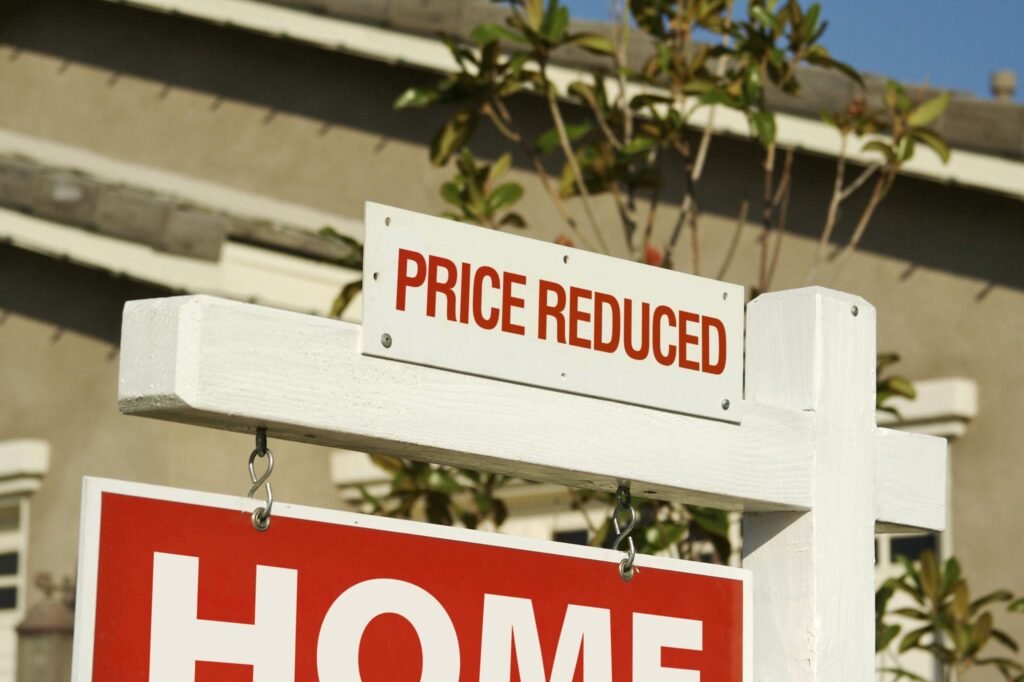
When should Portland homeowners consider reducing their asking prices in a cooling market?
In a cooling Portland market, consider reducing your asking price if your home remains unsold after 30 days, lacks significant buyer interest, or if similar properties are selling at lower prices.
Navigating Price Reductions in Portland’s Cooling Market
In Portland’s dynamic real estate environment, discerning when to adjust your home’s asking price is critical. As the market cools, homeowners face unique challenges that require strategic decisions to maintain competitive advantage. Understanding when and how to reduce your asking price can preserve your investment and ensure a timely sale, particularly for high-value homes in the $800K to $3M range.
Understanding Market Dynamics
The Portland real estate market, like many others, is influenced by various factors, including economic shifts, interest rates, and buyer demand. When the market cools, properties can linger longer, potentially affecting their perceived value. As a homeowner, recognizing these dynamics is crucial.
- Market Indicators: Pay attention to key indicators such as days on market (DOM) for similar properties and local economic forecasts. If comparable homes are selling faster or at lower prices, it might signal the need for a price adjustment.
- Interest Rates: Rising interest rates can dampen buyer enthusiasm, reducing the pool of potential buyers. Understanding how this impacts your target demographic is essential.
- Buyer Behavior: In a cooling market, buyers are often more cautious and price-sensitive. They may prioritize value over features, seeking the best possible deal.
By keeping an eye on these factors, you can make informed decisions about pricing adjustments that align with market realities.
Timing Your Price Reduction
Determining the right time to reduce your asking price is both an art and a science. A well-timed reduction can reignite interest and attract serious buyers.
- Initial Listing Period: If your home has been on the market for 30 days without substantial interest or offers, it may be time to reassess your price. The first few weeks are critical; if you’re not seeing activity, buyers might perceive the property as overpriced.
- Competitive Analysis: Regularly compare your home to similar properties. If others are adjusting their prices, staying competitive is vital. A price reduction should align with market trends rather than being a reactionary measure.
- Seasonal Considerations: In Portland, seasons can impact buyer behavior. For example, fall and winter typically see fewer buyers, which may necessitate more aggressive pricing strategies.
By strategically timing your price reductions, you can maintain momentum and appeal to serious buyers without appearing desperate.
Effective Pricing Strategies
When adjusting your price, it’s important to implement strategies that maximize your home’s appeal without undercutting its value.
- Incremental Reductions: Instead of large cuts, consider smaller, incremental reductions. This approach can create a sense of urgency among buyers without signaling distress.
- Psychological Pricing: Utilize psychological pricing tactics, such as setting your price just below a round number (e.g., $999,000 instead of $1,000,000). This can make your home appear more attractive to budget-conscious buyers.
- Highlighting Value: When reducing the price, emphasize the value proposition. Ensure your marketing highlights features that justify the adjusted price, such as unique amenities or recent upgrades.
These strategies help maintain your home’s perceived value while adapting to market conditions.
Communicating with Buyers and Agents
Clear communication is essential when implementing price reductions. How you convey these changes can significantly impact buyer perception.
- Transparent Messaging: Be upfront about why you’re reducing the price. Buyers appreciate transparency, which can build trust and encourage offers.
- Collaborative Approach with Agents: Work closely with your real estate agent to ensure the price reduction is part of a broader marketing strategy. An experienced agent can provide insights into buyer psychology and market trends.
- Leveraging Digital Platforms: Use digital platforms to announce price reductions effectively. Highlight new pricing in online listings and social media to reach a broader audience.
Effective communication ensures your price reduction is perceived positively and enhances your property’s marketability.
FAQ
What is the optimal amount to reduce my asking price?
A typical recommendation is to reduce by 5-10% initially. However, the exact amount should reflect competitive analysis and market conditions. Consult with your agent for personalized advice.
How often should I consider adjusting the price?
Review your pricing strategy every 30-45 days based on market feedback and comparable sales. Frequent, small adjustments can be more effective than infrequent, large cuts.
Will reducing the price negatively impact my home’s value perception?
If done strategically, a price reduction can enhance your home’s appeal by aligning it with market expectations. Ensure reductions are communicated as value enhancements rather than desperate measures.
Conclusion
In Portland’s cooling real estate market, making informed decisions about price reductions can significantly impact your property’s sale outcome. By understanding market dynamics, timing your adjustments effectively, and employing strategic pricing and communication tactics, you can navigate these challenges with confidence. As you work with your real estate professionals, keep these strategies in mind to maximize your home’s appeal and achieve your financial goals.