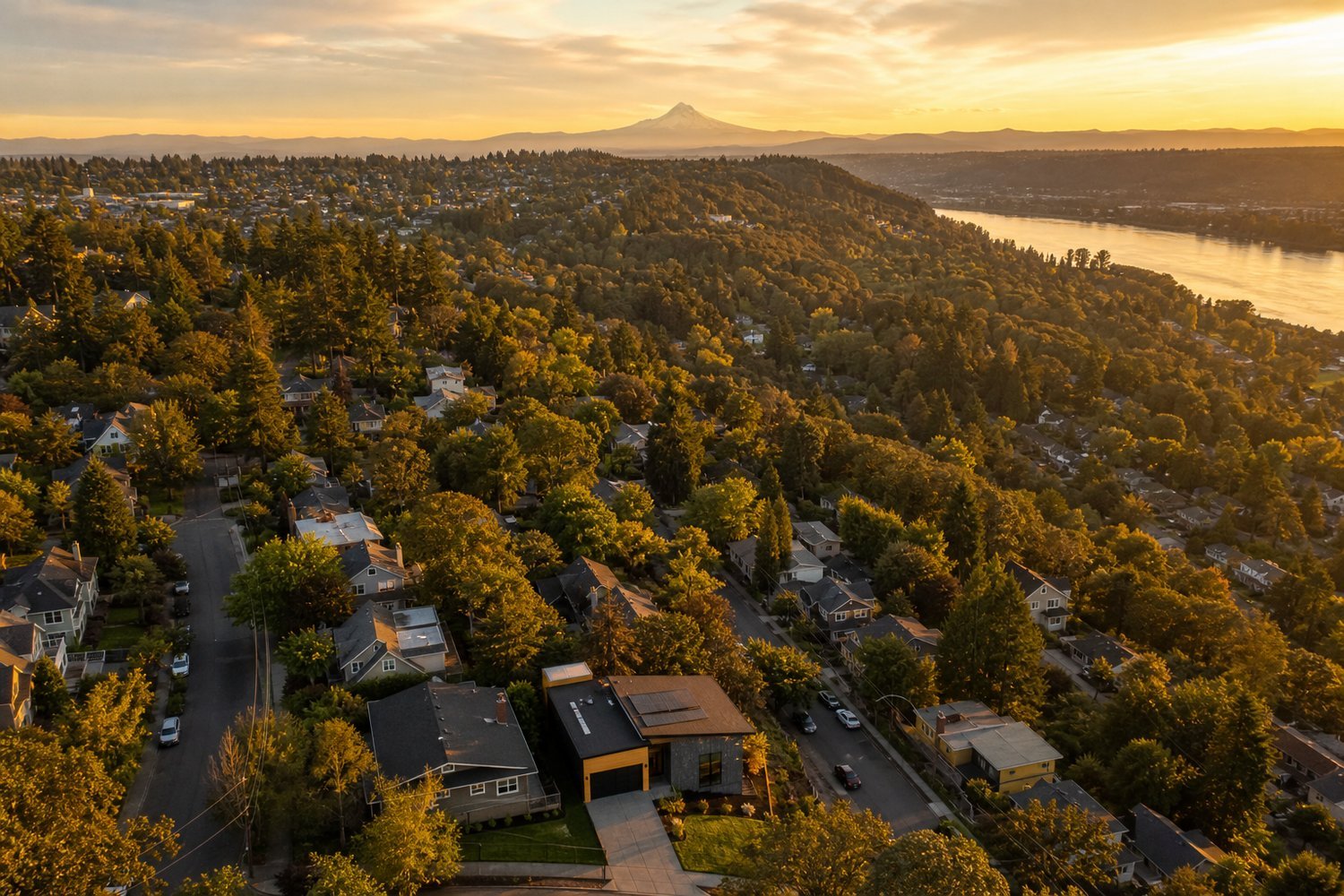

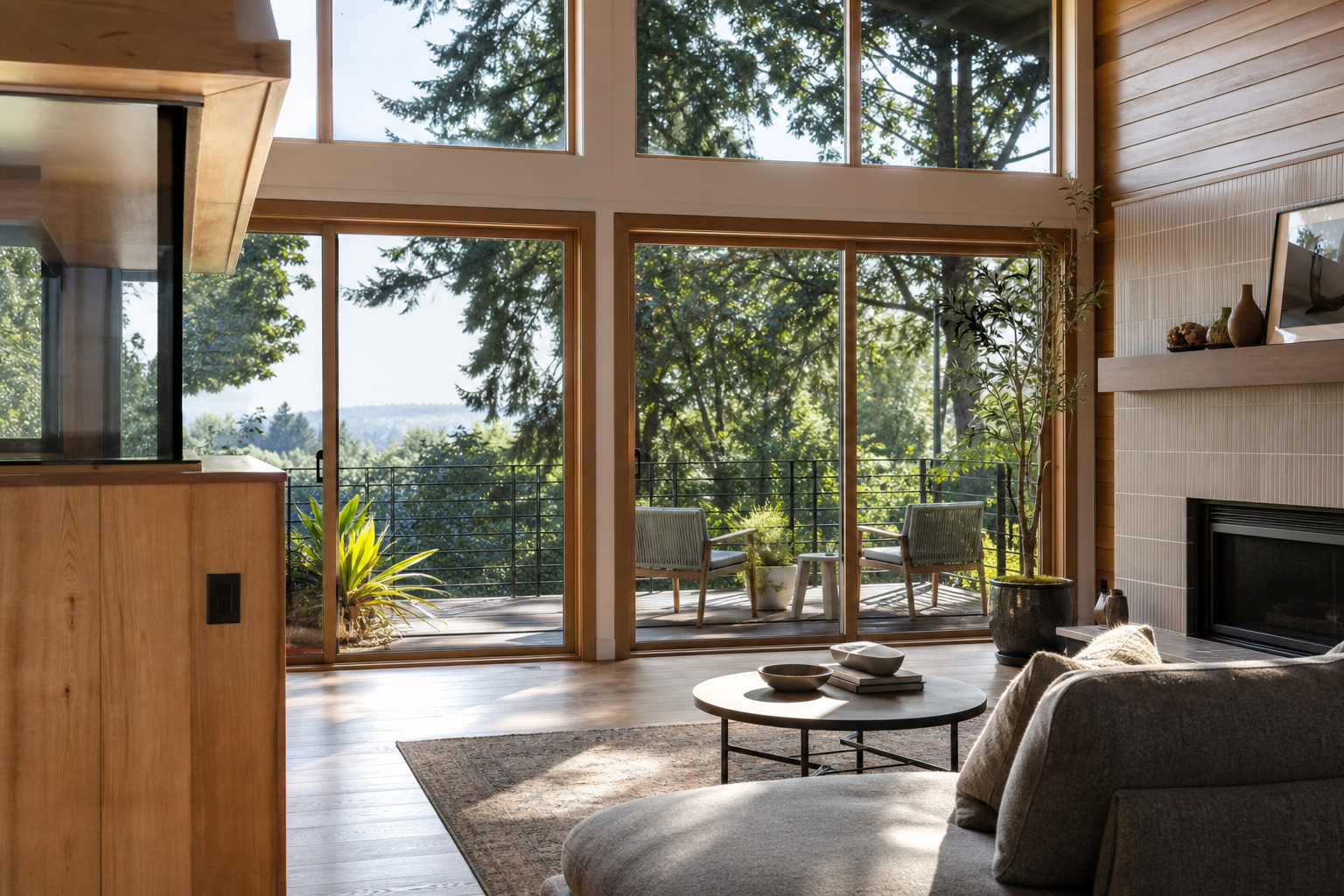
Beaverton offers real estate investors a compelling entry point in 2026: median sale prices around $557,000–$581,000, homes selling in roughly 25 days, near-100% sale-to-list ratios, and small multifamily properties posting strong year-over-year price gains, all at a meaningful discount to Portland’s core neighborhoods.
Is Beaverton a good real estate investment in Portland Metro in 2026?
Beaverton is one of Portland Metro’s strongest investment cases right now: median sale prices in the $557,000–$581,000 range, homes moving in about 25 days, and small multifamily properties up more than 20% year over year in median price. The market is modestly softer than its 2024 peak, which creates real entry opportunities for investors who know where to look.
I get this question a lot, and my honest answer is that Beaverton has been quietly outperforming expectations. While investors chase headlines about Portland’s inner east side or the Pearl, Beaverton keeps delivering the fundamentals that actually matter for long-term wealth building: liquidity, demand, and price stability.
What the 2026 Data Actually Shows
Let’s start with the numbers, because the data for Beaverton in 2026 is more interesting than most investors realize.
According to a Redfin market snapshot for Beaverton, the median sale price over the most recent three-month window is approximately $581,000, down about 4.3% year over year. Homes are receiving an average of two offers and selling in roughly 25 days. Redfin characterizes the market as “very competitive” as of late summer 2026.
A separate analysis from Resideline, covering the trailing six months of closings through August 22, 2026, puts the median sold price at $557,000 across 579 closed sales, with a median price per square foot of $292. The middle half of sales closed between $400,000 and $684,960, a wide band that signals real opportunity across multiple investor strategies.
What I find most compelling is the segment breakdown. A Beaverton community guide updated August 27, 2026 and drawing on RMLS data breaks it down by property type over the trailing 12 months:
| Property Type | Units Sold | Median Sale Price | Price YoY Change | Median Days on Market | Sale-to-List Ratio |
|---|---|---|---|---|---|
| Single-Family | ~720 | $650,000 | -1.1% | 24 days | ~100% |
| Condos | ~314 | $350,000 | -3.0% | 50 days | ~100% |
| 2–4 Unit Multifamily | 7 | $760,000 | +21.2% | 5 days | ~97% |
That small multifamily number stops every investor I show it to. Seven sales, five days on market, and a 21% price jump year over year. That is not a coincidence, it reflects genuine scarcity and genuine demand. If you are targeting 2–4 unit properties in Beaverton, you need to move fast and be prepared to compete.
Where Beaverton Prices Land by Neighborhood
Beaverton is not a monolith. The same RMLS-sourced community guide describes meaningful variation across the city. Older ranch-style homes in established areas like Vose, Highland, and West Slope typically trade in the mid-$500,000s. Newer construction in planned communities like Murrayhill and along the Progress Ridge corridor more often falls in the $700,000-plus range.
For investors, that gap matters. A mid-$500,000s ranch in an established Beaverton neighborhood carries very different renovation upside, rent potential, and exit strategy than a newer Progress Ridge townhome. I walk my clients through both scenarios before we ever write an offer, because the right property depends entirely on your investment thesis.
What About Condos?
Condos are the one segment showing real softness. At a median of $350,000 and 50 days on market (up 26% year over year), the condo market is clearly slower than single-family. But here is the contrarian read: near-100% sale-to-list ratios even in a slower condo market tells you sellers are pricing correctly and buyers are still closing. The market has not broken down, it has just normalized. For a cash-flow investor willing to manage a unit, a $350,000 Beaverton condo entry point deserves a serious look. I’d want to run the numbers on HOA fees and rental restrictions before committing, and that is exactly the kind of analysis I do with my investor clients before we move.
The Investment Case: Beaverton vs. Portland’s Core
Here is what I tell every investor who asks me whether Beaverton is worth their attention compared to inner Portland neighborhoods: the fundamentals favor Beaverton on almost every metric that matters for long-term returns.
Lower entry prices. Faster time-to-contract. Near-100% sale-to-list ratios signaling that the market clears efficiently. And a rental market that, while competitive, has shown durability. Historical data from Realtor.com’s Beaverton market profile reported a median rent near $1,786 per month as of late 2025. Those are 2025 figures, rent dynamics in 2026 reflect increased supply pressure across the Portland Metro, but they provide useful context for modeling cash-flow scenarios. Verify current rent comps with your property manager or lender before underwriting any deal.
The broader Portland Metro picture matters here too. The National Association of Realtors consistently identifies Pacific Northwest metros as among the more resilient long-term housing markets, anchored by employment diversification and in-migration patterns. Beaverton specifically benefits from proximity to Intel, Nike, and the broader tech and manufacturing corridor along Highway 26, a demand driver that does not disappear when the market softens a few percentage points.
For investors thinking about portfolio diversification across Portland Metro, my post on Portland ADU regulations is worth reading alongside this one. Adding an ADU to a Beaverton single-family property is one of the most reliable ways to build cash flow while holding a long-term appreciating asset, and the regulatory landscape in Washington County has been evolving in ways that favor investors who plan ahead.
The “Beyond Beaverton” Angle
When I say “Beaverton and beyond,” I mean the broader West Side corridor: Bethany, West Slope, and Forest Heights. These areas share Beaverton’s core advantages (strong employment access, established infrastructure, consistent demand) but each has its own pricing dynamics and buyer pool.
West Slope, in particular, is a market I watch closely. It sits at the intersection of Washington County affordability and Multnomah County connectivity, which creates an unusual demand profile. Properties there tend to move quickly and hold value well through softer cycles. If you are building a Portland Metro investment portfolio and ignoring the West Side, you are missing a significant piece of the picture.
For context on how West Side neighborhoods compare on lifestyle and property mix, my West Hills relocation guide covers the terrain in detail, useful whether you are buying for investment or trying to understand what tenants and future buyers in these areas actually value.
Every investment decision ultimately comes down to your specific goals, timeline, and risk tolerance. The market data gives you a framework, but the right entry point, property type, and neighborhood depends on your situation. That is where a local market analysis makes all the difference.
Frequently Asked Questions
Is Beaverton still a good place to invest in rental property compared to Portland’s core neighborhoods in 2026?
Yes, and in several ways it compares favorably. Beaverton’s median sale prices in the $557,000–$581,000 range sit well below many inner Portland neighborhoods, entry costs are lower, and the market moves efficiently with homes selling in about 25 days and near-100% sale-to-list ratios. Lower acquisition costs relative to Portland’s core can improve cash-flow math, though you should always run your own numbers with current rent comps and financing terms.
Are small multifamily (2–4 unit) properties in Beaverton seeing strong demand in 2026?
The data is striking: RMLS-sourced figures for the trailing 12 months show just 7 sales of 2–4 unit properties in Beaverton, a median sale price of $760,000 (up 21.2% year over year), and a median of only 5 days on market. Thin inventory and fast absorption signal strong investor competition for this property type. If small multifamily is your target, be prepared to move quickly and have your financing ready before you search.
What price range should I expect for older Beaverton ranch homes versus newer construction in Murrayhill or Progress Ridge?
Based on RMLS-sourced market data updated August 2026, older ranch-style homes in established Beaverton neighborhoods like Vose, Highland, and West Slope typically trade in the mid-$500,000s. Newer construction in planned communities like Murrayhill and along the Progress Ridge corridor more often falls in the $700,000-plus range. The gap represents different renovation potential, rental profiles, and exit strategies, worth thinking through carefully before committing to a price tier.
Has Beaverton’s condo market cooled in 2026, and does that create buying opportunities for investors?
Condos are the softest segment in Beaverton right now: median sale price around $350,000 (down 3% year over year), 50 days on market (up 26%), but still closing at near-100% of list price. The softness creates potential entry opportunities, but investors need to scrutinize HOA fees, rental restrictions, and reserve fund health before buying. A slower market does not automatically mean a good deal, the due diligence bar is higher, not lower.
How competitive is the Beaverton market as of mid-2026 in terms of offers, days on market, and sale-to-list ratios?
According to Redfin’s Beaverton market data, homes are receiving an average of two offers and selling in approximately 25 days, with the market characterized as “very competitive.” RMLS-sourced data confirms near-100% sale-to-list ratios across single-family and condo segments. For investors, this means realistic pricing and pre-approval in hand before making offers, not a market where you can lowball and wait.
The Bottom Line on Beaverton
Beaverton in 2026 offers what most investors spend years searching for: an active, liquid market with modestly softening prices, strong employment anchors, and a small multifamily segment that is genuinely undersupplied. The data supports the thesis. The execution is where local expertise makes the difference.
I have spent years working this market as an investor and agent, and I know where the value is sitting right now. If you want to talk through a specific strategy, whether that is a single-family rental, a small multifamily play, or a condo entry in a softer segment, schedule a consultation and let’s run the numbers together.
About Pascha Cain
Pascha Cain is a Portland Metro Realtor, investor, and licensed contractor who brings 20+ years of brand and business experience from Nike and adidas to real estate. She helps clients make smarter decisions around buying, selling, renovating, and investing, combining sharp marketing, design vision, and a wealth-building mindset to protect and maximize the value of every home.
Pascha Cain, Real Broker
Equal Housing Opportunity. Pascha Cain is licensed in Oregon, License #201251465, regulated by the Oregon Real Estate Agency. This article is general information only and does not constitute legal, tax, or financial advice. Confirm your own numbers with your closing agent, tax advisor, or lender before making any investment decision.